
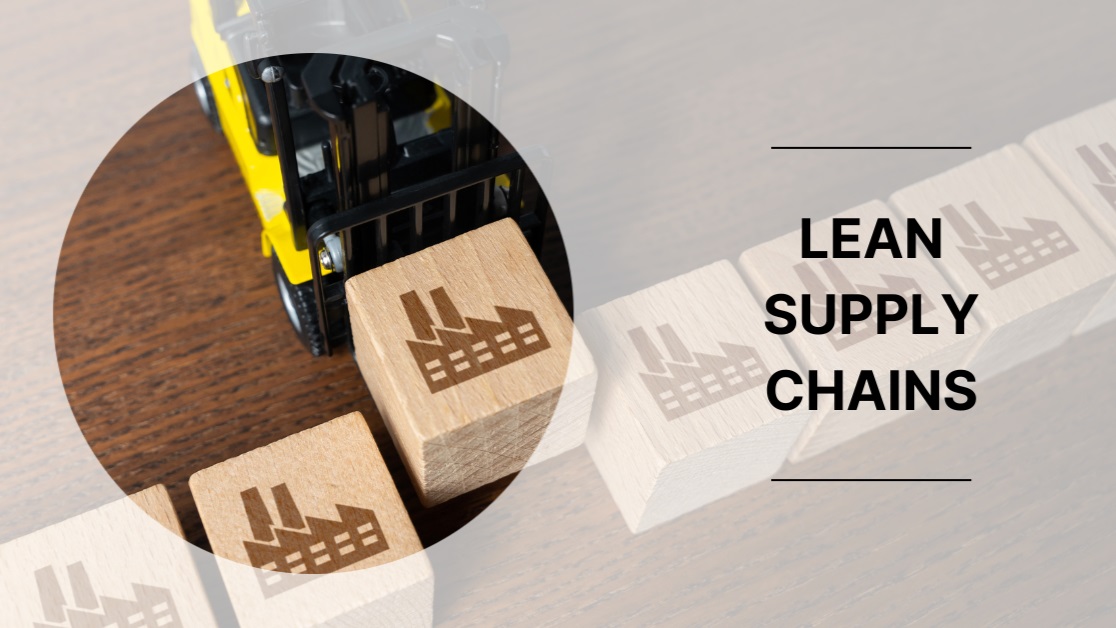
Lean thinking began as a method for making production systems more efficient. It focuses on waste reduction and continuous improvement. When applied to supply networks, lean thinking transforms them into flexible and responsive systems. A lean supply chain reduces excess inventory and increases value creation. It focuses on what customers truly need. Many businesses now look to lean methods to adapt quickly to change. The goal is to create a smooth and steady flow of goods and information. Every step aims to add value and remove unnecessary actions. A supply chain shaped by lean thinking brings speed, reliability, and long‑term growth.
Understanding Lean Principles in Supply Management
Lean principles center around improving each process step. They eliminate waste and strengthen collaboration. Every partner in a supply network must share a mindset of continuous improvement. Lean supply management values simplicity and transparency. It encourages clear communication and shared goals. Each activity gets reviewed for its real contribution to the final product or service. The aim is to achieve a seamless flow that serves the customer faster. A lean approach changes traditional systems into agile networks. It replaces rigid controls with adaptable solutions. A culture of learning and problem solving sustains lean success across the entire network.
Streamlining Movement and Information Flow
Efficient movement of materials and information is vital. Lean systems reduce waiting and overproduction. They link every stage through smooth handovers. When each part connects well, delays decline and efficiency grows. Workers can detect issues quickly and respond effectively. Clear signals across operations create balance and order. Goods reach destinations faster and with fewer errors. Real‑time data helps to adjust schedules and routes. Visibility helps managers prevent waste before it spreads. Lean methods ensure that every link delivers on time and in full. This synergy builds trust and stability across the value chain.
Eliminating Waste and Driving Continuous Improvement
Waste hides in many forms. It appears as excess stock, rework, or idle time. Lean supply management seeks to uncover and remove waste at its root. Every team member becomes an agent of improvement. Regular small changes lead to major gains over time. When waste disappears, quality and speed rise together. Continuous improvement keeps systems responsive to shifts in demand.
Building a Sustainable Lean Future
Sustainability joins efficiency in a modern supply system. Lean thinking supports both goals. It reduces resource use and strengthens long‑term resilience. Firms adopt careful planning and ethical sourcing to protect the environment. The focus stays on creating steady growth with minimal harm. Lean operations favor renewable materials and efficient transport routes. They balance cost with social and ecological care. A sustainable lean model ensures durability in uncertain markets. It delivers value to customers and communities alike. Through disciplined improvement, lean transforms future supply chain processes into reliable engines of progress.