
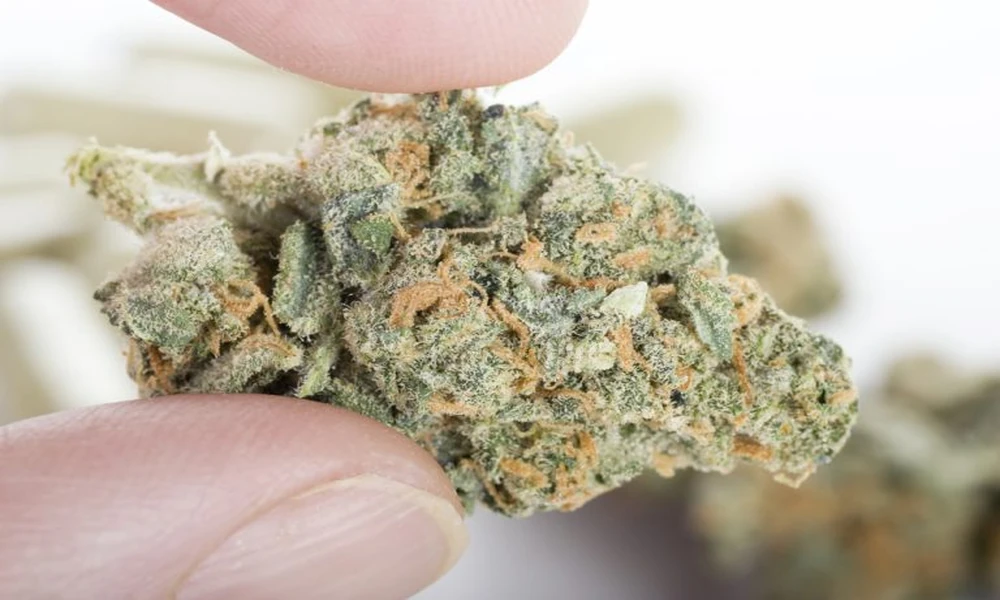
Storage practices applied to bulk THCA flower directly determine whether the cannabinoid potency, trichome condition, and moisture levels confirmed at the point of purchase are maintained through the full holding period until distribution. Without structured environmental controls, flowers that meet procurement specifications at delivery deteriorate before reaching distribution channels. Buyers sourcing at volume establish storage protocols specific to thc flower bulk requirements at the point of facility setup, rather than after degradation has already occurred within the holding environment.
Temperature control requirements
Temperature control applied to bulk THCA flower storage prevents the cannabinoid degradation that begins when the flower is exposed to heat fluctuations during the holding period. Storage facilities maintain consistent temperature within the defined range across all areas where bulk flower is held, not only in sections with the highest concentration of stock. Facilities unable to demonstrate consistent temperature control across the full storage environment are not used for bulk THCA flower holding, regardless of other available environmental management systems. Temperature monitoring records document readings taken at defined intervals across the storage period for each batch held within the facility.
Humidity management protocols
- Optimal range maintenance – Humidity maintained within the defined range for bulk THCA flower storage prevents mould development at the upper threshold and structural drying at the lower threshold. Both conditions affect the moisture content figures confirmed during pre-purchase assessment, and either outcome produces a grade classification reduction when the batch is reviewed at the point of distribution.
- Monitoring and adjustment systems – Monitoring equipment positioned at multiple points within the storage area captures humidity readings across the full space rather than from a single central location. Controlled adjustment systems respond to readings outside the accepted range across the full batch volume rather than correcting localised variance without addressing broader environmental conditions within the facility.
Light exposure prevention
Light exposure applied to stored bulk THCA flower triggers a cannabinoid breakdown process that reduces the potency figures confirmed in the batch certificate of analysis. Storage environments eliminate direct light exposure across the entire area where bulk flowers are held, rather than applying light controls only to sections closest to entry points or high-traffic areas within the facility. Opaque outer packaging applied at the supply stage provides a barrier against light exposure that supplements facility-level environmental controls. Buyers confirm that light-blocking packaging integrity is intact before bulk flower is transferred into the long-term storage environment following delivery and initial physical assessment.
Oxygen barrier application
- Sealed packaging requirements – Oxygen contact within bulk flower storage packaging initiates an oxidation process that degrades cannabinoid content and deteriorates trichome surface condition across the batch volume. Packaging with verified oxygen barrier properties is confirmed intact at the point of delivery before the flower enters the storage environment, as compromised seals are replaced before storage transfer rather than accepted into long-term holding.
- Storage container standards – Storage containers applied during the holding period add an oxygen barrier layer beyond the original packaging seal. Containers that do not meet the oxygen barrier standard defined within the storage protocol are not used for bulk flower holding regardless of their physical capacity or structural condition. Oxygen barrier confirmation for both packaging and containers is documented within the storage compliance file maintained for each batch across the full holding period.
Batches that have exceeded the maximum recommended holding period are flagged for laboratory retesting before distribution release, as the certificate of analysis currency standard applied at purchase does not extend across holding periods that fall outside the interval the original testing was conducted to cover.