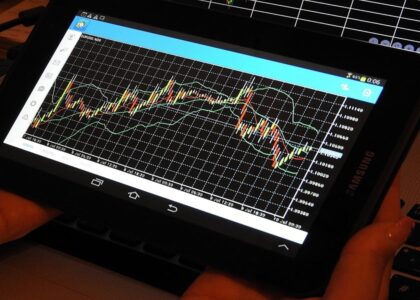


Token supply mechanics directly influence meme coin price movements and market behaviour patterns. Total supply limits, circulation schedules, and burning mechanisms create different stability characteristics that affect long-term value retention. Supply scarcity typically supports price appreciation, while excessive token release can create downward pressure during market cycles. Project design supplies parameters to balance growth incentives with stability objectives that maintain investor confidence over time. These supply considerations become particularly relevant when examining best meme coins on coinbase listings.
Supply distribution timing
Controlled token release schedules prevent market flooding while maintaining steady circulation growth that supports healthy price development patterns.
- Gradual unlock mechanisms spread token availability across extended timeframes, preventing sudden supply shocks
- Vesting periods for team allocations ensure long-term commitment while protecting against immediate selling pressure
- Community reward distributions maintain engagement while controlling inflation rates that could destabilize prices
- Staking reward schedules balance participation incentives with supply inflation management objectives
- Burn event timing creates deflationary pressure during strategic market moments requiring price support
- Lock-up periods for major holders prevent coordinated selling that could crash token values
These timing mechanisms create predictable supply patterns that allow markets to absorb new tokens without experiencing excessive price volatility from unexpected circulation increases.
Market circulation effects
- Fixed supply caps create artificial scarcity that can drive speculative demand during bullish market periods
- Deflationary tokenomics through burning mechanisms reduce circulating supply while potentially increasing remaining token value
- Inflationary models provide ongoing rewards for network participation but may pressure prices during low-demand periods
- Elastic supply systems adjust token quantities based on market conditions to maintain stable purchasing power
- Multi-tier supply release creates different availability levels for various participant categories and use cases
- Supply transparency requirements enable market participants to make informed decisions based on known token economics
Stability mechanism integration
Projects implement various supply adjustments to maintain price stability during extreme market conditions. Algorithmic systems can increase or decrease token availability based on predetermined price thresholds that trigger automatic responses. These systems aim to reduce excessive price swings that could discourage adoption or create speculative bubbles. Stability mechanisms often incorporate community governance that allows token holders to vote on supply adjustments during market stress periods. This democratic approach ensures supply changes reflect community consensus rather than centralized decision-making that might not align with broader holder interests.
Automated burning mechanisms remove tokens from circulation when certain conditions are met, creating deflationary pressure that can support price levels during bearish market conditions. These burns often coincide with platform revenue generation, linking token scarcity to project success metrics. Reserve funds maintained by projects can be used for market-making activities that smooth price fluctuations during high volatility periods. These reserves provide liquidity buffers that prevent extreme price movements from thin trading volumes or coordinated selling events.
Supply-based stability systems work most effectively with strong utility mechanisms that create genuine demand for tokens beyond speculative trading. Projects focusing solely on supply manipulation without underlying value creation often struggle to maintain long-term price stability. Projects must carefully balance supply parameters with market dynamics to create sustainable tokenomics for speculative interest and long-term utility development goals.