

Gum disease can be distressing and often requires specialized care. You might feel overwhelmed when facing advanced gum issues. Periodontists are here to ease that burden. They focus on treating complex gum problems, ensuring you receive the most effective care. Periodontists perform procedures that can halt disease progression and protect your oral health. For those seeking periodontal treatment in Chicago, understanding the role of a periodontist is key. They provide deep cleanings, gum surgeries, and other essential treatments. These specialists can help save teeth that might otherwise be lost. They focus on your well-being, using their expertise to guide you through your options. This approach can restore your oral health and improve your quality of life. Engaging with a periodontist can make a significant difference in your recovery journey. You deserve compassionate care tailored to your needs. Let’s explore how a periodontist can support you in overcoming advanced gum disease.
Understanding Gum Disease
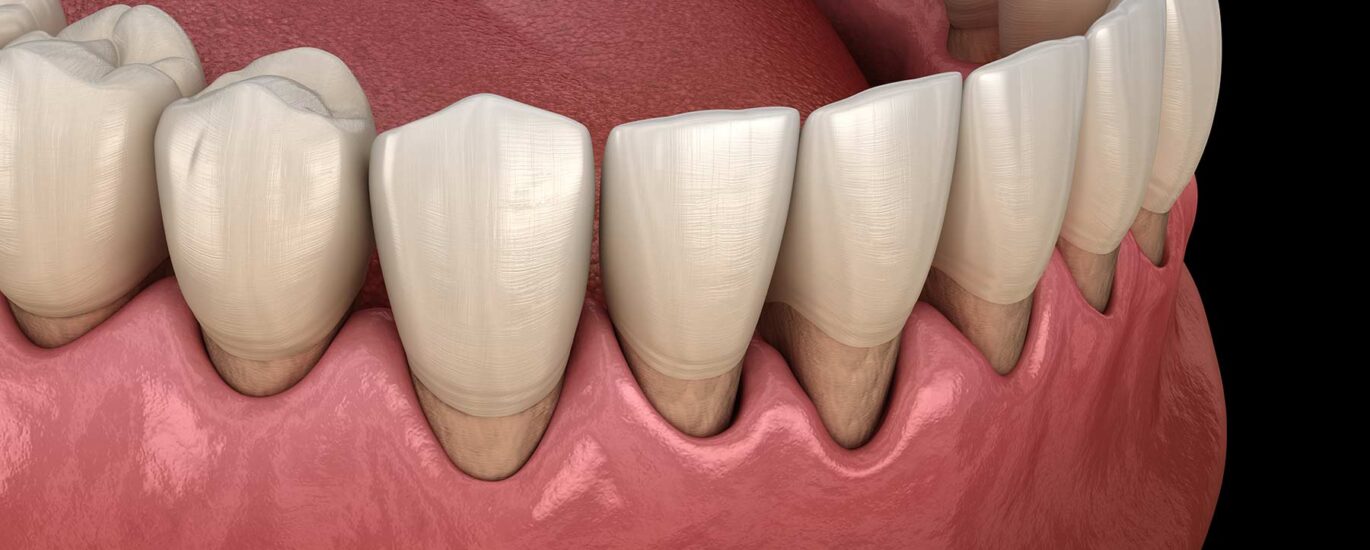
Gum disease starts with plaque, a sticky film of bacteria on your teeth. If not removed, plaque can harden into tartar. This leads to gingivitis, the early stage of gum disease. Without treatment, gingivitis can progress to periodontitis, an advanced form of gum disease. Periodontitis can cause gums to pull away from teeth, leading to bone loss and tooth loss. At this stage, seeing a periodontist is crucial.
What a Periodontist Does
Periodontists receive extra training in diagnosing and treating gum disease. They perform procedures beyond the scope of general dentists. Key treatments include:
- Scaling and root planing
- Gum graft surgery
- Regenerative procedures
Scaling and root planing involves cleaning below the gumline to remove plaque and tartar. This is often the first line of defense. Gum grafts help cover exposed roots to prevent further damage. Regenerative procedures aim to restore lost bone and tissue.
The Impact on Oral Health
Advanced gum disease can lead to serious health problems. The bacteria from gum infections can enter the bloodstream, affecting other parts of the body. Research links gum disease to heart disease and diabetes. Addressing gum disease is not only about saving teeth. It’s also about improving your overall health.
Comparison of Treatment Options
| Treatment | Procedure | Benefits |
|---|---|---|
| Scaling and Root Planing | Deep cleaning of teeth and roots | Reduces gum inflammation and infection |
| Gum Graft Surgery | Covering exposed roots | Prevents further gum recession |
| Regenerative Procedures | Rebuilding lost bone and tissue | Restores supporting structures of teeth |
Finding the Right Care
Finding a skilled periodontist is essential for successful outcomes. They should have access to modern tools and techniques. You want someone who listens and addresses your concerns. The American Academy of Periodontology offers resources to help you find qualified specialists.
Taking the Next Step
Don’t wait until it’s too late. If you notice signs of gum disease, seek help right away. Bleeding gums, bad breath, and loose teeth are warning signs. Early intervention can prevent further damage and improve recovery. Your oral health deserves priority. Trust in a periodontist’s expertise and compassion. They can guide you to better health and a brighter smile. Start today by contacting a local periodontist. Your healthier future begins with that first step.