

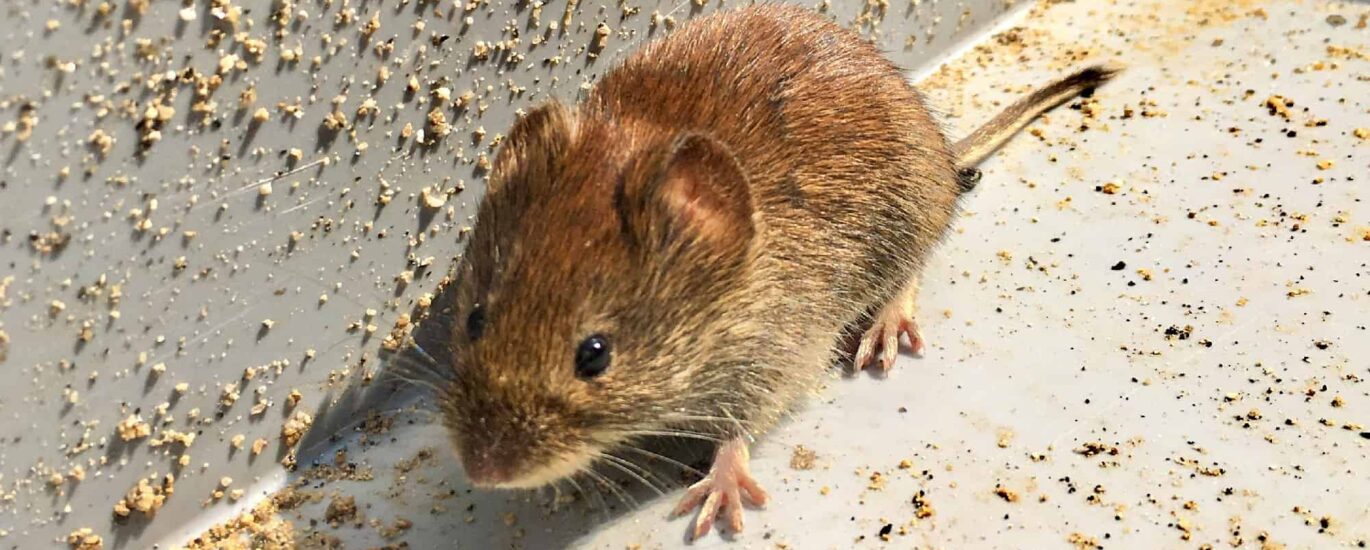
Residents of Lynnwood, especially those closer to Green River Trail, have recently seen an increase in rats around their homes. The trail, a draw for its beauty and recreation potential, unfortunately, also provides ideal conditions for rodents.
The corridor functions as a highway for migrating rats between natural habitats and neighborhoods because of green space, accessibility to water, and connectivity to residential areas. Homes that back up to the trail or are only a few blocks away are most susceptible to infestation.
The issue is more than just spotting the occasional rat outdoors. From damaging homes to contaminating food, these rodents pose a health risk to families. If you have seen droppings, gnaw marks, or heard scratching sounds in your walls, call pest control in Kent to prevent a small issue from turning into a big infestation.
A Closer Look at What’s Changing Along the Green River Trail
We know the Green River Trail has developed a lot over the last few years, and people have become less interested in walking/running on it and more interested in riding around on it, which has affected the local rat populations.
Nearby trail traffic has gone up about 35% since 2020, according to Snohomish County records, leading to more human presence. The city of Lynnwood has also been building residential developments towards the trail corridor, eliminating some of the natural buffer in some areas.
Complaints about rodents in South Snohomish County (2022-2024) (Washington Department of Fish and Wildlife). Regional climate shifts resulting in warmer winters have made breeding seasons longer, allowing rat populations to breed more times in a year. Habitat destruction, positive food supplies thanks to humans, and a suitable climate combine to make for perfect conditions in which rat populations can swell at a moment’s notice.
How Rats Travel the Corridor?
Rats travel the corridor differently than you think in reality. Green River Trail offers everything a rat needs to make a safe passage from neighbourhood to neighbourhood. Because these rats move along the trail, a strip of continuous vegetation that protects against predators like hawks and owls, they feel safe as they travel.
They often follow fencelines, go under bushes, and through drainage systems connecting the trail to backyards. In Lynnwood, Norway rats are the most common species, able to roam and cover over 300 feet from their nests each night for food and water.
Idaho grassland ground squirrels are drawn to the trail’s proximity to Scriber Creek and other water sources. As soon as they locate a food source in your yard or garage, some will start regular trails, often taking other ants of their colony with them on the same path.
Why It Is Time to Seek Professional Help
When it comes down to rat infestations, in most cases, DIYs do not help because rats are intelligent, cautious, and breed quickly. If you see a rat, then often that is the case that a colony has formed nearby.
For Lynnwood homeowners struggling with rodent problems due to the regional trail system, Saela Pest Control has provided tailored plans to eliminate current infestations and prevent future ones. They know what their neighbors deal with living near the Green River Trail and use integrated pest management that works in the area.
Yes, pest control goes beyond setting traps; in fact, professional pest control includes a thorough inspection of entry points, removal of any attractants, and preventive measures to keep rats from coming back. The longer you wait, the more damage they do and the more expensive it gets to remedy. Catching the problem early on protects your home and your family. So, make sure you reach out to a professional before things get worse!