
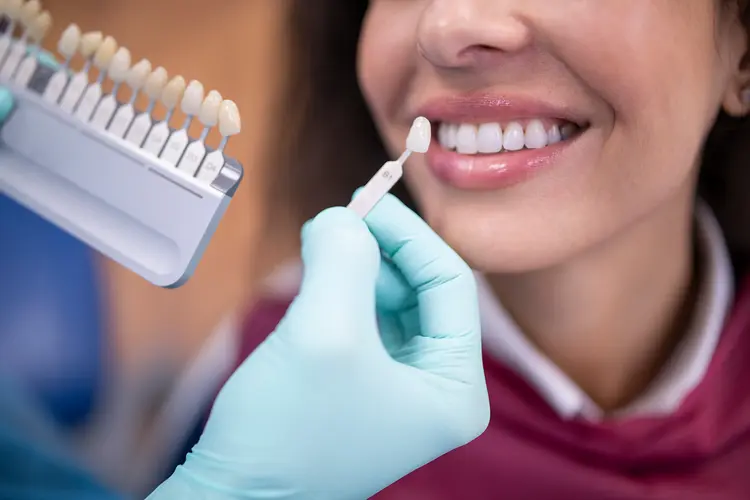
Considering a smile upgrade? You may be weighing two popular options: cosmetic bonding and veneers. Both offer paths to a confident grin, but they differ. Understanding these differences empowers you to make the right choice for your smile. In Coronado cosmetic dentistry, professionals often guide you through these options. Cosmetic bonding uses a tooth-colored resin to fix minor issues like chips or gaps. It’s quick and less invasive. Veneers, on the other hand, involve thin shells placed over your teeth. They offer a more dramatic change, addressing discoloration or larger imperfections. Each method has its benefits and limitations. Your choice depends on your goals, budget, and the condition of your teeth. Let’s explore these options so you can decide the best fit for your smile, ensuring you feel confident every time you laugh or speak. Your smile deserves the best care and attention.
What is Cosmetic Bonding?
Cosmetic bonding is a straightforward procedure. Dentists apply a resin to your teeth, shaping and polishing it for a natural look. This method works well for minor cosmetic issues. It’s also more affordable. Dental professionals often recommend it for minor chips, gaps, or discoloration. The procedure usually takes one visit. According to the National Institute of Dental and Craniofacial Research, this procedure is safe and effective.
What are Veneers?
Veneers are a more transformative option. These thin shells made from porcelain or composite material cover the front of your teeth. They correct larger issues like significant discoloration or uneven spacing. The process requires multiple visits. Dentists first remove a small amount of your tooth’s surface to fit the veneer. Then, they bond it permanently. It provides a long-lasting solution. Veneers can last up to 15 years with proper care. The American Dental Association notes that veneers offer a durable and aesthetic option for many patients.
Comparing Cosmetic Bonding and Veneers
| Aspect | Cosmetic Bonding | Veneers |
|---|---|---|
| Procedure Time | Single visit | Multiple visits |
| Durability | 5-7 years | 10-15 years |
| Cost | Less expensive | More expensive |
| Invasiveness | Less invasive | More invasive |
| Best for | Minor repairs | Major cosmetic overhaul |
Making the Decision
Choosing between cosmetic bonding and veneers depends on several factors. Consider the extent of the cosmetic issues. Minor chips or gaps might only need bonding. More significant changes, like severe discoloration, may require veneers. Your budget also plays a role. Bonding is generally more affordable. However, veneers offer longer-lasting results. Both options improve your smile. Discuss your goals and budget with your dentist to determine the best solution.
Post-Procedure Care
After you decide, proper care is crucial. For both bonding and veneers, maintain good oral hygiene. Brushing twice daily and flossing will help maintain the results. Regular dental visits ensure everything stays in top shape. Avoid biting hard objects like ice or pens. These habits can damage both bonding and veneers. Remember, taking care of your investment ensures a longer-lasting smile.
Conclusion
In summary, your smile deserves the best treatment. Deciding between cosmetic bonding and veneers involves considering your needs and goals. Both offer unique benefits and can boost your confidence. Consult with your dental professional to make the most informed decision. By choosing the right option, you take a step toward a brighter, more confident smile. Your journey to a beautiful smile begins with understanding these choices.