
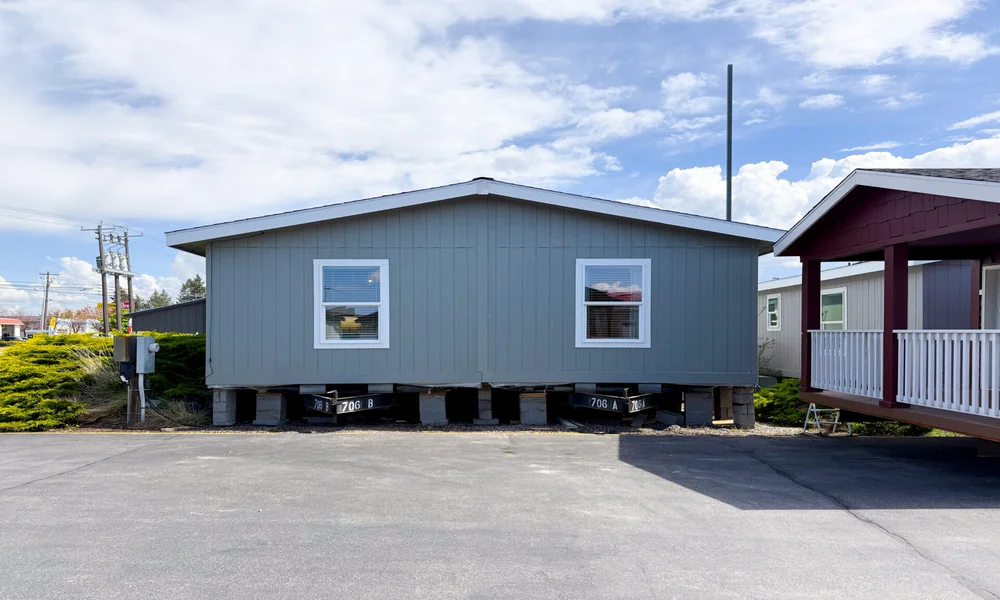
A retired couple I know toured a used double-wide outside Albany in February and fell in love with the kitchen. They skipped the crawlspace. By April, the vapor barrier under that kitchen looked like a used dishrag, and they were staring at a five-figure repair quote before they had unpacked a single box.
I tell that story because it is the single most expensive mistake I see buyers make in this state. The home is fine. The water underneath it is not. And most of what separates a good deal from a money pit in Oregon has nothing to do with the floor plan, the appliances, or the sticker price. It has everything to do with how the home sits on wet ground from October through May.
So here is what to check, who to ask, and how to tell whether a seller actually knows what they are doing.
Why Oregon Is a Harder Market Than the Rest of the Country
Most manufactured home buying advice online was written for Arizona or Texas. Dry ground, mild winters, slabs that stay put. Oregon does not work that way. West of the Cascades you get months of steady rain, and east of the mountains you get freeze-thaw cycles that heave soil and stress foundations in a completely different way.
According to the National Weather Service, the Pacific Northwest is one of the wettest regions in the country, and that is not a fun fact. It is the variable that determines whether your home stays level, dry, and mold-free for the next fifteen years. Drainage, vapor barriers, foundation type, and skirting all take on outsized importance here. A home that would be perfectly fine in New Mexico can be a slow disaster in Coos Bay.
Anyone selling you a home in this state who does not bring up water in the first conversation is either new or not paying attention.
What Separates a Good Seller From a Bad One
The differences show up long before you sign anything.
A seller who knows the local market will ask about your land first if you are placing a home on private property.
They will talk about soil, slope, and where the water runs on your lot without being prompted.
They will hand you a list of installers they have actually worked with, not a generic referral sheet.
They will be honest about which of their homes are built for this climate and which ones are not.
They will not rush you past the crawlspace.
If a seller waves off your questions about drainage, walk away. If they tell you the site work is your problem and change the subject, that is your answer. The best manufactured home dealers in Oregon treat site prep as part of the sale, because they know a botched install turns into a warranty headache for them too. That is a useful filter, and you can apply it in the first ten minutes of a conversation.
Reading Wet Ground Before You Commit
You do not need a soil engineer to spot trouble. You need a rainy day, a pair of boots, and twenty minutes.
Visit the property or the dealer lot during or right after heavy rain. Look for standing water anywhere within thirty feet of where the home sits or will sit. Then check the specifics:
- Skirting: Is it intact, vented, and sealed at the bottom?
- Vapor barrier: Should be continuous, thick, and unpunctured under the entire home.
- Tie-downs and anchors: Rusty straps are a sign of long-term moisture exposure.
- Gutters and downspouts: Water should be moving at least six feet away from the foundation.
- Ground slope: The lot should shed water away from the home, not toward it.
I would rather buy a plain home on a well-drained, gently sloped lot than a loaded one sitting in a low spot. You can upgrade a kitchen later. You cannot easily fix a bad piece of ground without a serious excavation bill.
A Simple Framework: The Three-Layer Check
After enough walkthroughs, a pattern emerges. Call it the Three-Layer Check, and run it every time you look at a home in this state.
Layer one is the ground. Where does water go when it rains hard for three days straight? If the answer is “toward the home,” nothing else matters yet.
Layer two is the barrier. The vapor barrier and skirting are your home’s raincoat. Torn, sagging, or missing sections mean moisture is already finding its way into the floor system. This is cheap to fix early and expensive to fix late.
Layer three is the house itself. Only after layers one and two check out do you evaluate the interior, because a beautiful home on failing ground is a liability wearing a fresh coat of paint.
I know buyers who reverse that order and regret it. The interior is what you live in, but the ground is what you actually buy.
What the Rulebook Says, and Why It Matters to You
Manufactured homes are built to a federal construction standard that covers structural, electrical, plumbing, and thermal performance. According to the U.S. Department of Housing and Urban Development, that standard applies nationally, which means the home itself is built to a consistent baseline wherever it comes from.
Installation is the part that varies wildly. The setting, anchoring, and site drainage on your specific lot are where quality either holds or falls apart, and those decisions are made locally by people, not by a factory. That is why a certified installer with Oregon experience matters more than the brand badge on the front door.
Ask any dealer you talk to which installers they use and how long they have used them. Long relationships are a good sign. A rotating cast of crews is not.
A Quick Checklist for Your Next Visit
Print this or keep it open on your phone:
- Visit after real rain, not during a dry spell.
- Walk the full perimeter and look for settling, cracks, or new patches.
- Look under the home. If you cannot get under it, ask why.
- Confirm the home meets current federal standards.
- Get the installer’s name in writing before you sign.
- Ask what the dealer covers if water damage shows up in year one.
That last question is the real test. A confident seller will answer it without flinching.
The Part Buyers Get Wrong
Price gets all the attention and none of the weight it deserves. Two homes on the same lot with the same floor plan can have wildly different true costs once you account for site prep, drainage work, and installation quality. Saving eight thousand dollars on the sticker and paying twenty thousand to fix a wet crawlspace is not a deal. It is a delayed loss. Oregon rewards patience here. Buy in the dry months if you can, and inspect in the wet ones.
According to the State of Oregon, the region’s rainfall is concentrated in the cooler months, which means a summer tour tells you almost nothing about how a property handles water. The home you inspect in January is the home you actually own in July.
One more thing worth saying plainly: the market here is smaller than in the Sun Belt, and the dealers who last are the ones who do installation right. That is not a coincidence. Site work is unglamorous and it is exactly where the professionals separate themselves.
Start With People Who Know the Water
You do not have to figure this out alone. The buyers who come out ahead are the ones who ask hard questions early, walk away from wet ground without apologizing, and lean on dealers with a genuine local track record instead of whoever has the flashiest model home.
So before you sign anything, find two or three sellers who have been placing homes on Oregon dirt for years, and ask each one the same question: “What do you do about drainage?” Their answers will tell you everything you need to know.