
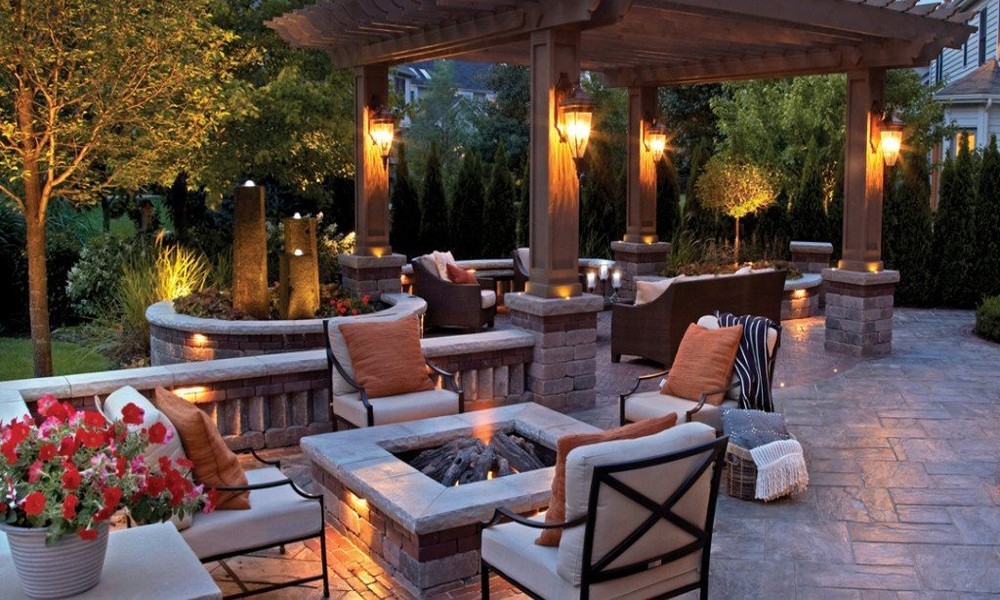
A patio should feel like a natural extension of the home, not a spot filled with random furniture. The space should support meals, shade, quiet breaks, and easy movement. When those pieces feel out of sync, the layout needs a closer look. A better plan can make the patio feel polished, useful, and comfortable.
The best patios connect style with real daily habits. Seating, paths, plants, lighting, pergolas, and water features should work together instead of feeling like separate add-ons. Thoughtful outdoor living design in Miami helps shape a patio around comfort, weather, architecture, and personal use. It turns a plain yard into an outdoor room with purpose.
The Patio Does Not Feel Connected To The Home
A strong patio layout should feel tied to the home’s doors, windows, and main indoor spaces. The outdoor area may feel unfinished when the seating sits too far from the entrance or the dining spot feels tucked away without a reason. A good design uses the home’s structure as a guide. This creates a smoother link between indoor comfort and outdoor living.
The patio should also match the home’s style, from clean modern lines to lush tropical character. Materials, plants, and hardscape details should feel intentional. A pergola, stone path, or planted border can help the space feel built into the property. That sense of connection gives the patio a more complete look.
The Seating Area Lacks A Clear Purpose
Seating should invite people to settle in without needing to move chairs around first. A sofa, lounge chair, or bench can look attractive, yet the area may still feel awkward when it has no clear center. A table, view, fire feature, or garden element can anchor the space. Once that anchor exists, the seating area feels easier to use.
The layout should also support the way people gather. Small groups need close seating for easy talk, while larger patios may need more than one lounge zone. Side tables, shade, and nearby lighting make the space feel practical. Those details help the patio work for quick breaks and relaxed evenings.
The Dining Space Feels Hard To Use
A dining area needs enough room for chairs, serving, and movement. In Miami, outdoor meals can feel casual and enjoyable when the table sits near the kitchen, grill, or prep area. The path from food to table should feel simple. That placement makes meals smoother without adding extra effort.
The dining zone should also feel separate from the lounge area without looking cut off. Planters, pavers, or a slight change in furniture style can create that separation. A clear layout lets guests understand where to eat, sit, and move. The patio feels more organized when each zone has a role.
Shade And Structure Need A Miami Plan
Sun, rain, and heat shape how a patio feels through the day. A pergola, canopy, umbrella, or planted shade area can make the outdoor room more comfortable. The shade should land where people actually sit and dine. Good placement matters as much as the structure itself.
A pergola can also give the patio a stronger visual frame. Wood, metal, vines, or lighting can make it feel like part of the landscape. The structure should match the home and the surrounding garden. This keeps the space stylish without making it feel heavy.
A patio layout works best when every feature supports comfort, beauty, and daily life.
The right outdoor living design in Miami can bring patios, paths, pergolas, plants, lighting, and water features into one clear plan. Each part should feel connected to the home and useful for the people who live there. A better layout gives the outdoor space a relaxed flow without clutter. It turns the patio into a place that feels ready for meals, quiet moments, and easy gatherings.