
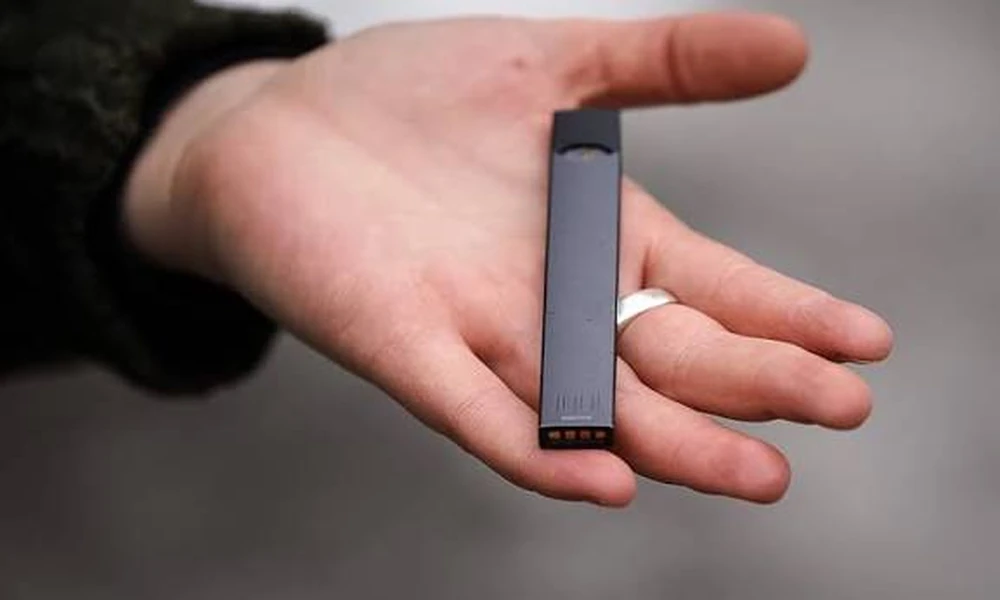
Every quality characteristic a THCA cartridge delivers was shaped before the oil ever reached a cartridge. thca vape carts that draw cleanly, taste accurately, and hold compound complexity across extended use are almost always traceable back to an extraction method that prioritised compound preservation over processing efficiency. The method is where the quality ceiling gets set. During extraction, phytocannabinoids are separated from waxes, lipids, and chlorophyll. From first draw to last, everything a consumer experiences is determined by how complete the separation is and at what temperature.
Solvent-based extraction methods
- Live resin extraction
Terpene degradation begins within hours of harvest under normal conditions. Live resin stops that by freezing plant material immediately after cutting, locking the aromatic profile before lighter terpene fractions oxidise or evaporate. Hydrocarbon solvents run through that frozen material at low temperatures, pulling volatile compounds at concentrations that dried material processing cannot reach.
- Butane hash oil extraction
Butane is used to extract cannabinoids and terpenes from plant material at low temperatures so that volatile aromatic compounds are not destroyed. Vacuum purging removes residual butane under negative pressure afterwards. Cartridges built from properly purified BHO draw cleanly.
- Hydrocarbon extraction
Running hydrocarbon solvents through plant material below the temperature threshold where terpene evaporation begins is what separates cartridges with real aromatic complexity from those that taste flat despite coming from quality source genetics. Temperature discipline during processing is the entire point of this method, and where its output quality rises or falls.
- Ethanol extraction
Hydrocarbon solvents pull chlorophyll primarily, bringing it along with cannabinoids and terpenes into the extract. Winterisation addresses that by chilling the extract until waxes and lipids solidify and filter out. Properly winterised ethanol oil draws cleanly and holds flavour across the cartridge life.
- CO2 extraction
Carbon dioxide extracts terpenes and cannabinoids without hydrocarbons. Selective targeting of specific compound fractions is possible with tunable pressure parameters. CO2 generally captures a narrower terpene range than low-temperature hydrocarbon alternatives, which shows up in finished cartridge flavour complexity when both are compared from equivalent source material.
Solventless extraction methods
- Solventless rosin extraction
Heat and pressure are applied to plant material with no solvents at any stage. Nothing enters the extract that was not already in the plant, and nothing the process introduced requires purging afterwards. Fresh-frozen material through cold-cure rosin produces terpene diversity comparable to live resin through a completely different production path, and the draw cleanliness is immediate because the oil carries no processing residuals at any concentration.
- Ice water hash extraction
Cold water and mechanical agitation separate trichome heads from plant material by exploiting the cold temperatures’ brittleness in resin glands. The collected hash carries cannabinoid and terpene concentration at a level that reflects source material quality directly, with no chemical processing variables between the plant and the extract.
- Distillate refinement
Using high-temperature distillation to refine crude oil, cannabinoids are extracted while terpenes, minor cannabinoids, and botanical components are removed. Whatever aromatic profile a distillate cartridge carries was added back afterwards. That reintroduction rarely replicates the specific compound ratios the source strain expressed.
From the plant outward, compound diversity can be protected by live resin, rosin, and ice water hash. Hydrocarbon, ethanol, and CO2 methods balance yield efficiency against terpene retention depending on how carefully temperature and post-extraction refinement were managed. Distillate trades botanical complexity for cannabinoid concentration. Each method produces a different cartridge. The extraction choice is the single production decision that determines which one a consumer is actually buying, regardless of what the label says.