
Key Takeaways
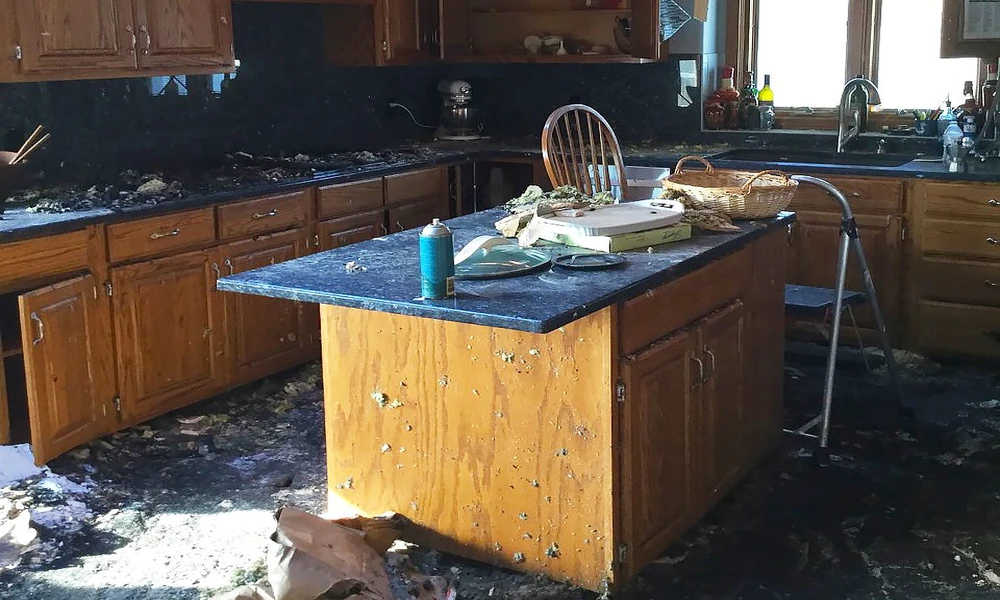
Fire damage restoration experts offer immediate response services that play a crucial role in minimizing further harm, including smoke and water complications, after a fire incident.
Upon their arrival, restoration specialists conduct thorough assessments to uncover both visible and hidden damages. This ensures accurate insurance claims and helps direct restoration efforts effectively.
A customized restoration strategy is then developed based on the specific damages identified, fostering transparency and collaboration between clients and restoration teams.
Employing professional techniques, fire damage restoration experts use specialized equipment for smoke removal and air quality improvement, ultimately guaranteeing a healthier living environment after restoration.
Efficient restoration processes are pivotal. They help minimize downtime, enabling clients to resume their normal routines swiftly while averting increased costs and stress.
Health risks linked to fire-damaged properties are managed through thorough sanitization and safety protocols, safeguarding both physical spaces and the well-being of occupants.
Regular communication and project milestones ensure clients stay informed throughout restoration, alleviating anxiety and contributing to a smoother recovery experience.
Understanding the Fire Damage Restoration Process: What Happens First?
Immediate Response: Emergency Services at Your Doorstep
When fire strikes, every moment matters. Experts stress that responders in this scenario include skilled fire damage restoration teams, alongside firefighters. Their actions during the initial hours can have a significant impact on the recovery timeline. A prompt response often mitigates additional damage from water or smoke, highlighting the importance of emergency services right after the call is made.
Generally, restoration professionals arrive within hours, prepared to assess and stabilize the affected area. They examine not only visible damage but also hidden issues-such as structural instability or harmful residues. Making timely interventions is vital to minimize losses.
Assessment Procedures: Pinpointing the Damage
Upon arrival, experts conduct a detailed inspection to evaluate both the extent and type of fire damage, considering nuances that may arise. This process includes checking the structure, identifying smoke residues, and recognizing any potential water damage resulting from firefighting efforts. Mold growth is another critical aspect, particularly if moisture lingers after the fire.
Clients typically find this assessment phase quite informative. It clarifies the restoration process and sets the groundwork for what lies ahead. A comprehensive assessment not only directs recovery efforts but also assists in dealing with insurance providers, promoting accuracy in claims processing.
Crafting a Restoration Plan: Your Customized Path Forward
After the assessment, professionals create a personalized restoration plan. There are no one-size-fits-all solutions here; each plan is unique and tailored to address the specific types of fire damage identified. This usually comprises an action list detailing necessary tasks, anticipated timelines, and estimated costs.
Transparency is essential at this stage. Clients are encouraged to ask questions and voice concerns. This collaborative method ensures everyone is aligned and builds trust-an essential factor when navigating what can be a highly stressful situation.
Key Benefits of Professional Fire Damage Restoration Services
Expert Techniques: Ensuring Thorough Recovery
Professional restoration services employ advanced techniques that extend beyond standard cleaning practices. They use specialized equipment for smoke removal and odor remediation, accessing nooks and crannies where soot might hide. Traditional cleaning solutions frequently fall short in such scenarios. Clients can anticipate a range of treatment options customized to their specific needs.
Advanced air filtration systems and thermal fogging may be utilized after a fire, ensuring that indoor air quality meets health standards. Essentially, restoring a home after fire damage isn’t just about repairing what’s broken; it’s about rejuvenating the living environment entirely.
Fast Track Your Recovery: Minimizing Downtime and Costs
Time equates to money. Professionals recognize this, which is why they emphasize efficiency in their restoration practices. Quick action lessens downtime, allowing families to return to their daily lives as soon as possible. Delays can lead to rising costs, along with added emotional strain.
By applying streamlined techniques and relying on their honed expertise, restoration teams frequently complete projects ahead of schedule. Clients can expect regular updates, keeping them informed about progress and timelines. Meeting deadlines is crucial here.
Safety Considerations: Protecting Your Space and Health
Fire-damaged properties carry their own set of health risks. Residues can be hazardous, and structural challenges might render spaces unsafe. A comprehensive fire damage restoration service prioritizes safety precautions right from the start. Many clients are unaware of the dangers present during cleanup following a fire. Professionals are equipped to identify and effectively address these risks.
Typically, services encompass thorough sanitization and deodorization, protecting not just the physical structure but also everyone’s health. It’s an integrated approach that delivers peace of mind alongside restoration.
What Clients Can Expect During Fire Damage Restoration
Transparent Communication: Keeping You Informed Every Step of the Way
Uncertainty can heighten stress during tough moments. This is why professional restoration services focus on clear communication. Clients should expect transparent dialogue, regular updates, and a level of accessibility designed to build trust. Questions will come up, and a dedicated team will always be available to provide answers.
Most restoration companies assert that open communication isn’t optional; it’s vital. Well-informed clients contribute to smoother processes and more favorable outcomes. Being kept in the loop can greatly enhance the overall experience for clients.
Timelines and Project Milestones: Working through the Restoration Journey
Every restoration project unfolds on a unique timeline. Variables like damage extent, coordination with insurance companies, and material availability all influence this. Professionals establish project milestones to help clients visualize the process. This includes outlining expected completion dates for specific tasks, which aids in managing client expectations.
Clients should anticipate periodic updates along the way. Understanding the timeline helps reduce anxiety and facilitates better planning for what comes after restoration.
Quality Assurance: What Does a Successful Restoration Look Like?
A successful restoration encompasses more than simple repairs; it intertwines with the emotional journey of returning to a space filled with cherished memories. Restoration professionals strive for results that bring homes back to their pre-fire conditions-or sometimes even better. This is where quality assurance takes center stage.
Certified restoration services often carry out final walkthroughs to confirm that every detail is attended to. Clients can expect thorough inspections verifying that all standards have been adhered to. It’s about hitting every mark-and more-to ensure satisfaction before officially wrapping up a project.
Preventing Future Fire Damage: Preparing Your Home
Fire Safety Tips: Proactive Measures to Implement Now
Taking proactive precautions can significantly reduce the risk of future fires. Simple actions can yield substantial results. Clients are urged to apply fire safety tips, which include:
- Installing smoke detectors on each level of the home.
- Formulating an escape plan known by every family member.
- Regularly practicing fire drills to enhance readiness.
- Maintaining electrical systems and promptly addressing frayed wires.
- Utilizing fire extinguishers and keeping them within reach.
Small efforts add up, leading to a safer environment. Professionals frequently suggest scheduling routine fire safety audits to pinpoint potential hazards before they escalate.
Regular Maintenance: How to Stay Ahead of Fire Risks
Incorporating routine maintenance checks into home care is crucial. Safety isn’t merely a matter of luck. Consistent upkeep allows homeowners to identify potential issues early. This includes testing smoke alarms, cleaning gutters to eliminate combustible materials, and ensuring proper function of ventilation systems.
Staying ahead of fire risks involves cultivating habits that prioritize safety. While regular maintenance might seem tedious, it’s a vital component of effective fire prevention strategies.
Partnering with Professionals: Continuous Support and Guidance
Establishing relationships with fire safety professionals can offer invaluable long-term assistance. Clients often gain benefits from collaborating with specialists who provide ongoing, tailored guidance for their homes. Developing partnerships with knowledgeable individuals can foster heightened awareness of fire safety trends, ensuring businesses and residents remain vigilant.
Being proactive transcends mere reactions to past incidents; it cultivates a culture of safety within households and communities. Collaborating with experts lays the foundation for lasting improvements and enduring peace of mind.
A strong commitment to fire safety can reshape communities for the better.
Fire damage restoration in Phoenix isn’t solely about managing the aftermath; it’s an extensive journey centered on recovery, safety, and resilience.
FAQ
What types of damage are typically covered by insurance during fire restoration?
Insurance coverage for fire restoration generally encompasses structural damages, smoke and soot removal, as well as losses related to personal property. Clients should review their policies in advance to understand any specific limitations or nuances regarding coverage.
How can clients effectively communicate with their restoration team?
Initiating open communication from the start is crucial. Clients should feel empowered to ask about the process and voicing their concerns regularly is encouraged. Setting up regular check-ins and utilizing multiple communication channels can significantly enhance this dialogue.
What technologies are used in modern fire damage restoration?
Technological advancements have introduced tools like thermal imaging cameras and air scrubbers, enabling professionals to detect hidden moisture and effectively eliminate toxins, ensuring comprehensive restoration. Employing the latest equipment isn’t just best practice; it’s critical for maximizing success in restoration efforts.
How do professionals address potential mold growth after a fire?
Mold growth presents a significant risk in fire-damaged properties due to residual moisture. Professionals generally conduct thorough inspections and may implement mold remediation techniques, which include removing affected materials and employing filtration systems to minimize any surviving spores.
What role does air quality play in fire damage restoration?
Indoor air quality is a primary concern during fire restoration. Restoration professionals often integrate air purification solutions into their process to ensure that toxins and odors are effectively removed, fostering a healthier environment for occupants following restoration.
How often should fire safety audits be conducted in homes?
Conducting fire safety audits at least annually is recommended. These evaluations help recognize potential hazards and confirm that all safety devices, such as smoke detectors, are functional. Regular audits reinforce the ongoing importance of fire safety maintenance.
What can clients expect during the final walkthrough of the restoration?
During the final walkthrough, professionals will conduct a comprehensive review of the restoration work to ensure everything aligns with established standards. Clients should leverage this opportunity to raise any last-minute queries, ensuring they are satisfied with the restoration before project completion.
Are there specific fire regulations that homes in Phoenix must comply with?
Indeed, homes in Phoenix must comply with local fire codes and regulations, which typically include specific requirements for smoke detectors, fire extinguishers, and escape plans. Understanding these regulations ensures that homes aren’t just compliant but also adequately safeguarded against fire hazards.
Useful Resources
- National Fire Protection Association (NFPA)
- American Red Cross
- FEMA – Federal Emergency Management Agency
- Centers for Disease Control and Prevention (CDC)
- Pan American Health Organization (PAHO)
- Risk Institute
- International Association of Electrical Inspectors (IAEI)
- Better Business Bureau (BBB)
- American Society of Heating, Refrigerating and Air-Conditioning Engineers (ASHRAE)