
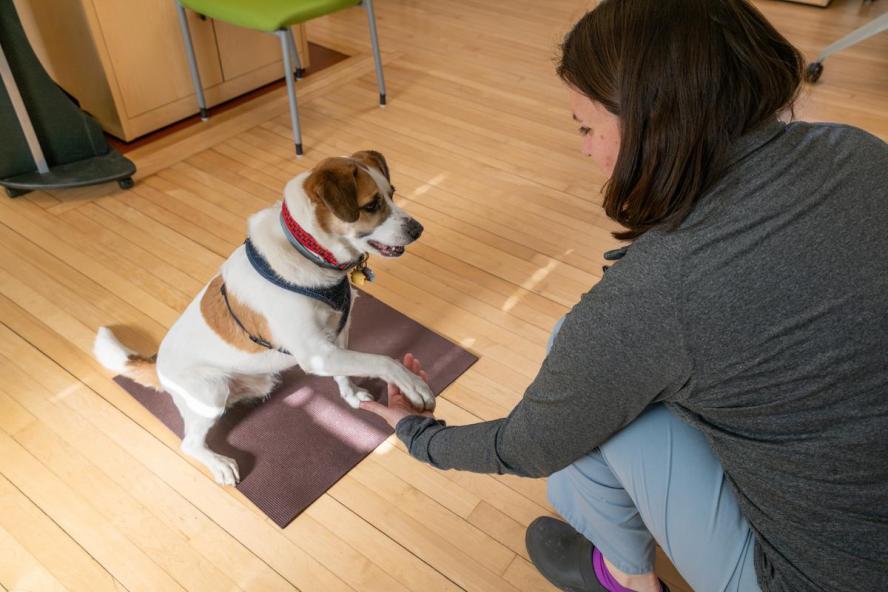
In the world of pet care, addressing your pet’s behavior is just as crucial as their physical health. You may feel overwhelmed when your pet acts out. Fortunately, veterinary clinics like veterinarian Princeton, WV, are here to help. They understand pet behavior’s impact on your life and aim to guide you through solutions. By offering behavioral consultations, they pinpoint what’s behind the actions. Experts do more than just observe. They listen to your concerns, assess the situation, then develop practical steps. When a more in-depth approach is necessary, they connect you with trusted trainers. This ensures you and your pet receive tailored guidance. The process is straightforward, compassionate, and effective. You gain peace of mind knowing you’re supported by a dedicated team. Your pet finds comfort in a stable, loving environment. With patience and expertise, behavioral challenges transform into opportunities for growth and understanding, benefiting both you and your pet.
Understanding Your Pet’s Behavior
Behavioral issues in pets can range from minor annoyances to significant challenges. Recognizing the signs early helps address problems before they escalate. Common issues include excessive barking, aggression, fearfulness, and separation anxiety. Experts at clinics evaluate the root causes, which might stem from environmental changes, past trauma, or health problems.
Consultation Process
The consultation process begins with a detailed discussion. You provide insights about your pet’s behavior, daily routine, and any specific incidents. Clinics may also request video footage to better understand your pet’s actions in context. This comprehensive approach allows for an accurate diagnosis.
The next step involves physical examinations. Sometimes, behavioral changes link to underlying medical conditions. Once these are ruled out or addressed, the focus shifts solely to behavior modification strategies.
Developing a Practical Plan
After evaluation, veterinarians craft a personalized plan. These plans include clear, actionable steps for you to implement at home. The primary focus is on positive reinforcement, rewarding desired behaviors instead of punishing negative ones.
Role of Professional Trainers
Many veterinary clinics maintain partnerships with professional trainers. When specialized training is needed, these trainers step in to provide additional support. They work closely with you and your pet, offering hands-on sessions that build upon the foundation established by the veterinary team.
Comparison of Behavioral Consultation vs. Training Referral
| Aspect | Behavioral Consultation | Training Referral |
|---|---|---|
| Focus | Understanding underlying causes and initial guidance | Specialized training tailored to specific behaviors |
| Provider | Veterinary professionals | Professional trainers |
| Approach | Diagnosis and plan development | Hands-on implementation and reinforcement |
| Outcome | Identification of issues and strategies | Behavior modification and skill-building |
Benefits of a Combined Approach
Integrating veterinary consultations with professional training offers comprehensive support. Clinics like those recognized by the American Veterinary Medical Association emphasize this partnership. It provides a well-rounded approach that considers both medical and behavioral aspects.
When you engage with both veterinarians and trainers, you ensure your pet receives top-tier care. Collaboration between these professionals leads to a deeper understanding of behaviors, allowing for more effective interventions. This combined approach also provides a valuable support network for you as a pet owner.
Building a Stronger Bond
Addressing behavioral issues does more than rectify problems. It strengthens the bond between you and your pet. Your pet learns to trust through consistent, positive interactions. You gain confidence in managing behaviors, leading to a more harmonious relationship.
Steps for Pet Owners
- Observe and note behavioral patterns.
- Schedule a consultation with your veterinarian.
- Implement the plan with patience and consistency.
- Engage with professional trainers for specialized skills.
- Maintain communication with your veterinary team.
Conclusion
Behavioral challenges in pets need not be daunting. Veterinary clinics provide essential resources to navigate these situations with care and expertise. By understanding, planning, and implementing strategies, you give your pet the best chance for a content, well-adjusted life. Trust in the process. Rely on the support of skilled professionals. Your commitment ensures a happier home for both you and your beloved pet.