
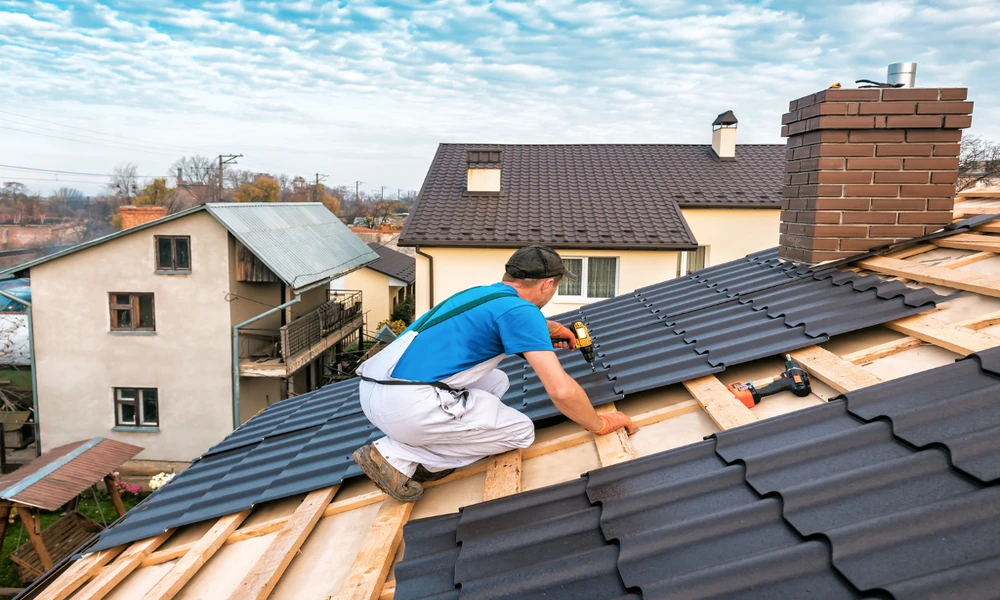
Storms can leave behind visible damage and hidden problems that continue to worsen after the weather clears. Roof coverings, siding, gutters, and windows all work together to protect a property, so damage to one area can affect the entire exterior. A practical response begins with a careful inspection and timely repairs that reduce the risk of leaks, moisture intrusion, and structural deterioration.
A detailed inspection after severe weather helps identify issues that are not obvious from ground level. Professional storm damage repair and restoration services can detect lifted shingles, hail impacts, damaged siding, clogged gutters, and compromised windows before these conditions lead to larger repair needs. Early documentation also supports informed repair decisions and helps establish the full extent of exterior damage.
Identify Roof And Exterior Damage Early
Storm damage does not always appear as missing shingles or broken materials. Wind can loosen roofing components, while hail may create dents and fractures that shorten the life of exterior surfaces. Water can also enter through small openings and affect insulation, ceilings, and wall assemblies over time.
Common Areas That Need Close Attention
- Roof shingles with cracks, lifted edges, or missing sections
- Siding with dents, splits, or loose panels
- Gutters and downspouts that are bent, detached, or blocked
- Windows with damaged frames, broken seals, or cracked glass
- Flashing around roof penetrations that has separated or shifted
Apply Practical Repair Solutions
Repair plans should address every damaged exterior component instead of focusing only on the roof. Restoring each affected area helps maintain proper drainage, weather protection, and long-term exterior performance. Coordinated storm damage repair and restoration services also reduce the chance of recurring moisture problems caused by overlooked damage.
Repair Steps That Protect The Entire Exterior
- Replace damaged roofing materials that no longer provide reliable protection.
- Repair or replace siding panels to restore a continuous weather barrier.
- Restore gutters and downspouts to direct rainwater away from the foundation.
- Repair damaged windows that allow air and water intrusion.
- Replace compromised flashing to seal vulnerable roof transitions.
Document Damage Before Major Repairs
The average wind and hail homeowners claim reached $14,747 during the 2019 through 2023 reporting period. Clear photographs, inspection notes, repair estimates, and dates can create an organized record of damage to roofing and exterior materials. Documentation should identify affected shingles, siding, gutters, windows, flashing, and interior signs of water entry.
Prevent Future Exterior Problems
Routine inspections after major storms help identify developing issues before they become expensive repairs. Clean gutters, secure flashing, and well-maintained roofing materials improve the ability of the entire exterior to handle future severe weather. Consistent maintenance also extends the service life of roofing and exterior materials while protecting the property’s overall condition.
Select A Qualified Contractor For Storm Damage Restoration
A qualified contractor performs a thorough inspection, identifies hidden roof and exterior damage, and recommends repairs that match the property’s actual condition. Professional expertise helps ensure damaged materials are properly restored before moisture intrusion and structural issues develop. Careful workmanship also supports the long-term performance of the entire exterior.
Storm damage can affect multiple exterior systems even when the damage appears minor at first. Prompt inspections, accurate repairs, and routine maintenance help protect the property from future weather-related problems. A practical approach to restoration supports lasting durability and helps preserve the home’s overall condition.
FAQs
1. What Should Be Checked After A Severe Storm?
Inspect the roof, siding, gutters, windows, flashing, and exterior vents for visible damage. Look for missing shingles, dents, cracks, loose panels, and water stains. A professional inspection can identify concealed damage that may not appear from ground level.
2. How Quickly Should Storm Damage Be Repaired?
Storm damage should be assessed as soon as conditions are safe. Prompt repairs help prevent water intrusion, mold growth, insulation damage, and structural deterioration. Temporary protection may be necessary until permanent repairs can be completed.
3. Does Homeowners Insurance Cover Roof And Exterior Storm Damage?
Homeowners insurance may cover sudden damage caused by hail, wind, fallen branches, or severe weather. Coverage depends on the policy terms, deductible, roof condition, and documented cause of damage. Property owners should photograph affected areas and review their policy before starting major repairs.