
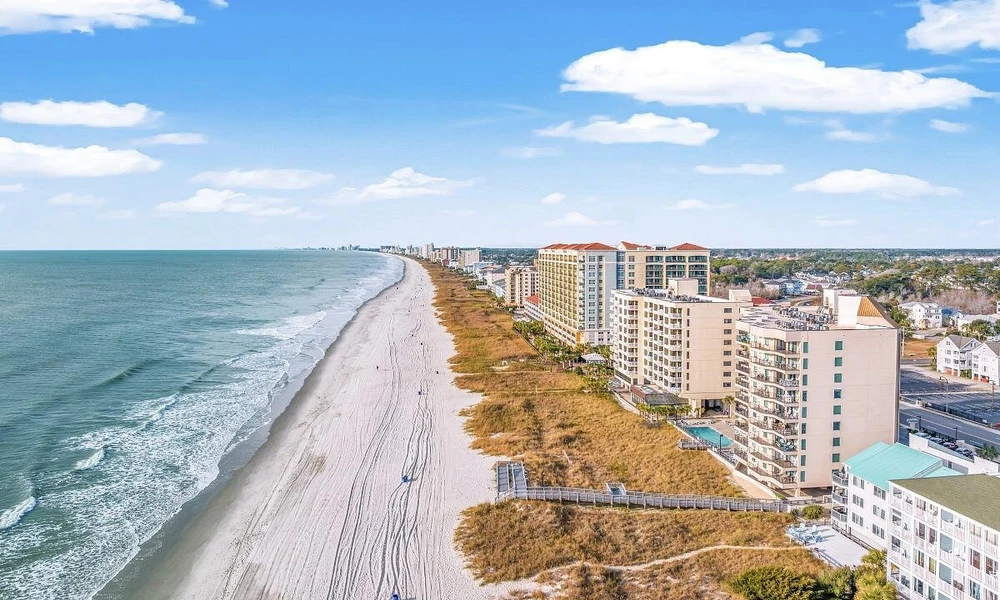
Pick the wrong week and you’re paying peak rates to fight for a parking spot and a spot on the sand. Pick the right one and you’ve got warm water, open restaurants, and a condo with an unobstructed ocean view. North Myrtle Beach rewards travelers who actually think about timing – here’s how to nail it.
The Grand Strand runs year-round, but each season feels like a completely different destination. Your ideal window depends on three things: how much heat you can handle, how much company you want, and what your budget looks like. Below is a season-by-season breakdown that cuts through the noise.
Why North Myrtle Beach Pulls Millions of Visitors Every Year
The numbers are worth knowing before you pick your dates, because they explain why timing matters so much here. According to the Myrtle Beach Area Convention and Visitors Bureau, there was $13.2 billion in direct visitor spending in 2024, a 5.3% increase from 2023. That kind of economic pull means the infrastructure – the restaurants, attractions, and accommodations – genuinely scales to meet demand. But it also means peak season is genuinely crowded.
North Myrtle Beach itself sits at the quieter, more residential end of the Grand Strand. It has the same Atlantic shoreline without the dense commercial strip of its southern neighbor. That distinction matters when you’re comparing seasonal crowds: the experience here tends to feel one notch less hectic than Myrtle Beach proper, even during summer.
Summer (June Through August): Peak Season, Peak Everything
The period from May to September offers the most balmy weather, with daytime temperatures averaging around 85 degrees Fahrenheit. Summer is unambiguously the best season for actual beach use – swimming, paddleboarding, kayaking, sunset walks that last until nearly 9 p.m.
But summer brings tradeoffs. Rates for oceanfront accommodations climb sharply from Memorial Day through Labor Day. Restaurants along Main Street run waits. Even the quieter stretches of beach around Cherry Grove fill up by 10 a.m. on a Saturday in July. If you have school-age kids and don’t have flexibility, summer is probably your only window – and it still delivers. Just book early, and accept that “peaceful” isn’t the right word for it.
One genuinely underrated move: book the last two weeks of August instead of July. School calendars in the Carolinas and Virginia typically pull families home before the month ends, and you get summer weather with a noticeable drop in crowd density. Water temperatures are still warm, often into the low 80s.
Fall (September Through November): The Local’s Choice
Ask anyone who lives on the Grand Strand year-round when they think visitors should come, and most will say fall without hesitating. Fall is a hidden gem for comfortable weather and fewer crowds, with September temperatures often reaching the 80s and October and November cooling into the pleasant 70s and 60s, ideal for outdoor activities without summer humidity.
The practical case for fall is strong. Rental rates drop after Labor Day. Beach access is easy. Local restaurants stop running waits and actually have time to talk to you. Golf courses, which are a major draw for adult travelers, come into their prime condition without the summer booking crunch.
For couples, remote workers doing a longer stay, or retirees with flexibility, fall is the clear winner. The ocean stays swimmable well into October – water temperatures lag behind air temperatures by several weeks, so September swimming is legitimately comfortable. If your priority is value and atmosphere over peak-energy excitement, September and October are probably the best two months on the entire calendar.
Winter (December Through February): Budget Season With a Catch
Winter is North Myrtle Beach’s most misunderstood season. From December through February, the beach transforms into a quieter, more romantic destination, offering mild weather, reduced crowds, and some of the most enchanting events of the year. Average highs land in the upper 50s to low 60s – cold by beach standards, but genuinely mild compared to most of the East Coast and Midwest.
You won’t be swimming. You probably won’t be sitting on the beach in a chair. But long walks on the sand with no one around, seafood dinners without a reservation, and rates that can run 40 to 60 percent below summer peaks? That’s a real draw for the right kind of traveler. Monthly winter rentals are a popular option here, and many resort-style properties offer extended-stay pricing that makes a weeks-long working vacation genuinely affordable.
The catch is obvious: some attractions run reduced hours or close entirely, and a rainy January day feels a lot different than a rainy July day. Winter rewards people who can entertain themselves – readers, golfers, people who just want to disconnect near the water.
Spring (March Through May): The Underrated Sweet Spot
Spring might actually be the smartest window for first-time visitors who want to understand what North Myrtle Beach actually is. The weather during spring is typically in the mid-70s and lower 80s, and while the water may not be the ideal temperature for catching waves, the beach is great for lounging and soaking in the sun.
Rates sit below summer but above winter. Restaurants and attractions are fully open and extending their hours. The beach has space. And spring festivals and events on the Grand Strand start picking up in March, giving you more to do than you might expect from a shoulder season.
The one thing to be aware of: spring break traffic from late March through mid-April can spike crowds unexpectedly. If you’re targeting spring, aim for early March or late April to May to avoid that surge. May in particular is a genuinely excellent month – warm enough for the beach, well before the summer rush.
A Simple Framework for Choosing Your Window
The V.I.B.E. framework works well here as a quick self-assessment before booking:
- Vibe you want – high-energy and social, or quiet and restorative?
- Impact of crowds – does a packed beach ruin it for you, or does it not bother you?
- Budget ceiling – are you flexible, or does cost determine everything?
- Experience priority – swimming, golf, dining, or just being near the ocean?
Run through those four questions and your season usually becomes obvious. Families with young kids who want swimming and energy: June or July. Couples who want atmosphere and value: September or October. Budget-focused travelers who just want ocean proximity: January or February with a monthly rental. People who want a balanced first visit: May.
| Season | Weather | Crowd Level | Rates | Best For |
|---|---|---|---|---|
| Summer (Jun-Aug) | Hot, 80s-90s | Very High | Peak | Families, beach lovers |
| Fall (Sep-Nov) | Warm to mild, 60s-80s | Low to Moderate | Below Peak | Couples, golfers, remote workers |
| Winter (Dec-Feb) | Cool, 50s-60s | Very Low | Lowest | Extended stays, budget travelers |
| Spring (Mar-May) | Mild to warm, 70s-80s | Low to Moderate | Mid-range | First-timers, festival-goers |
What to Look for in Accommodations, Regardless of Season
Timing your trip right matters a lot less if your accommodation doesn’t deliver. North Myrtle Beach’s biggest advantage over generic hotel stays is its stock of full-unit condo rentals with real kitchens, private balconies, and direct beach access. For a longer stay – anything over three nights – a condo unit almost always beats a hotel room on value and comfort, regardless of the season.
According to the South Carolina Department of Commerce, tourism is estimated to contribute more than $29 billion in economic impact to the state, with tourism-related tax collections reducing the tax burden per resident by nearly $1,000. That economic scale means North Myrtle Beach’s hospitality infrastructure has genuinely matured – you’re not choosing between a handful of dated properties. The quality range now runs wide.
For travelers who want to wake up to an ocean view and not deal with a parking structure, oceanfront condo rentals in North Myrtle Beach offer the kind of direct beach access that turns a good trip into one you’re already planning to repeat. Look for properties with full kitchens, washer-dryer units, and private balconies – those features matter as much as the view when you’re staying more than a few nights.
“For the right guest, the trade-off is an easy win – North Myrtle Beach’s quieter stretches and full-service condo inventory make it a smarter base than its busier southern neighbor, especially outside of peak season.” – consensus view among repeat Grand Strand visitors, as reflected in regional travel guides and visitor surveys.
Final Thought
According to the DK Shifflet Visitor Volume and Spending Study, 18.2 million visitors spent $13.3 billion in the Myrtle Beach area in 2025, continuing a steady growth trend in the region. That volume is a signal: North Myrtle Beach is not a hidden gem in the undiscovered sense, but it rewards timing and planning in ways that pure crowd-followers miss.
Pick your season with intention, choose accommodations that match your trip length, and you’ll leave wondering why you ever defaulted to a generic hotel. The question isn’t really whether North Myrtle Beach is worth visiting. It’s whether you gave yourself the right conditions to enjoy it.